

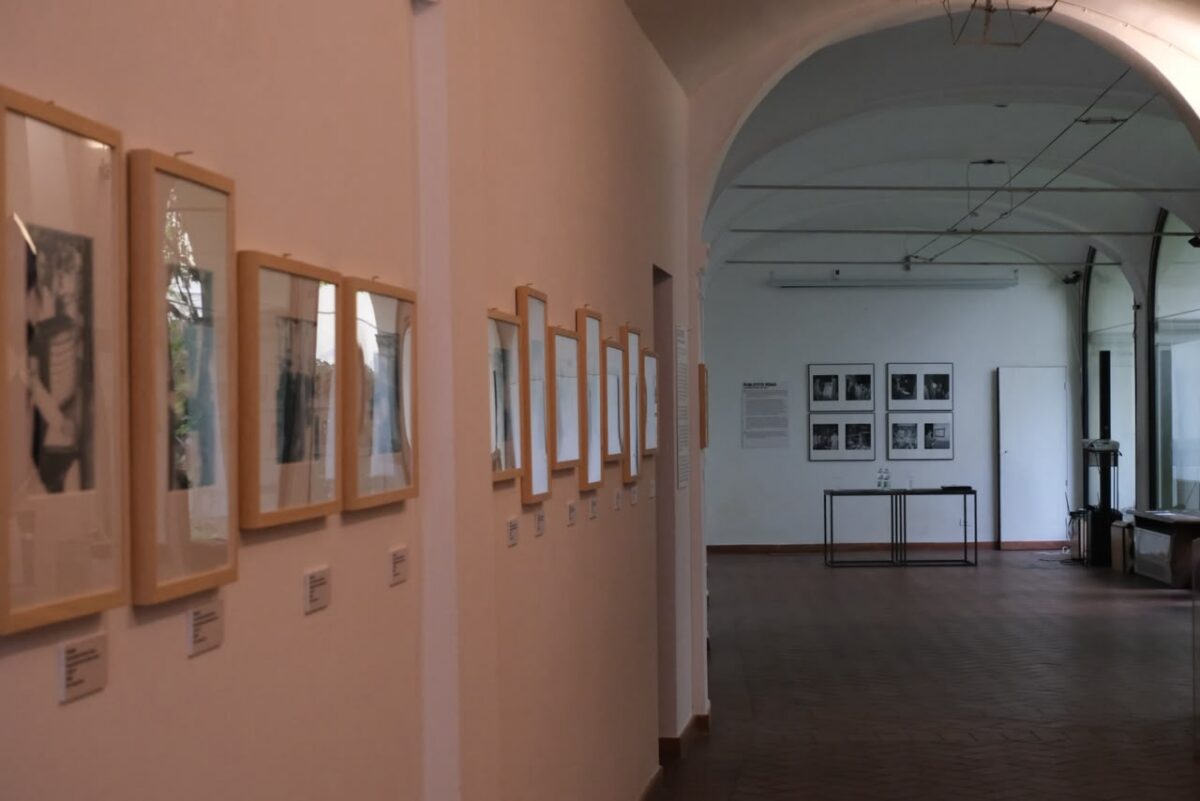
Work is often valued by money, productivity and hours, but is there something more meaningful than this?
What is the value of work? One might say that work is one of the fundamental activities in the human society whichs purpose is to fill our everyday life and bring food to our tables, which in many cases, unfortunately is the solemn truth, yet it actually has a story far deeper and meaningful than being an economical survival.
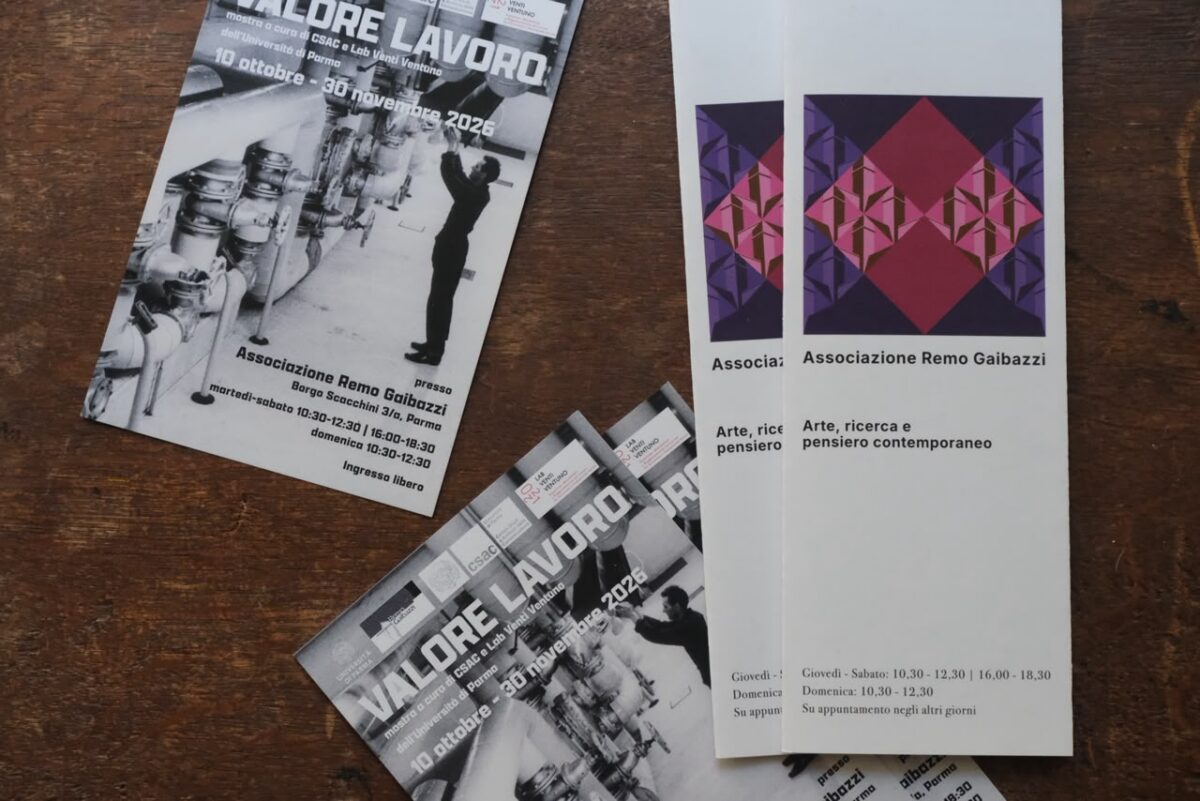
This is exactlly the theme interpreted by the exhibiton Valore Lavoro, which is currently active in the Associazione Remo Gaibazzi in Parma, in the collaboration with CSAC archives. Before digging in the exhibition itself, its important to understand the connection between the city, association and exhibition itself.
Remo Gaibazzi, mostly known as a caricaturist and a painter, was born in Stagno di Roccabianca, in the province of Parma, on December 29, 1915. Remo spent the first years of his childhood in Stagno, then moved with his family, first to Collecchio, in 1923, and later to San Pancrazio, to settle permanently in Parma in 1937. He attended the Teacher Training Institute for a few years, without obtaining a diploma, preferring the art world over his studies. Indulging his graphic talent, he began to propose caricatures: the first issues in which his drawings appear date back to 1935.
He continued this activity by collaborating with about thirty local humorous newspapers and with the Gazzetta di Parma (with which he began a twenty-year collaboration), also collaborating for a period with Giovannino Guareschi (Italian journalist, best known for being the creator of Don Camillo and Peppone, two fictional characters representing the political and social tensions of post-war rural Italy).
In the meantime, Gaibazzi had his military experience and participation in the Second World War, on the fronts of Albania and Greece, where he was taken prisoner and deported to Germany. In the post-war period, the return to civilian life and creative activity was inevitably marked by the dramatic war experience for Gaibazzi: the artist’s own expressiveness was affected, who in addition to the humorous production as a cartoonist and caricaturist of local or international personalities now combined with a broader pictorial commitment, expanding his themes to a disenchanted and bitter reflection on the harsh living conditions.
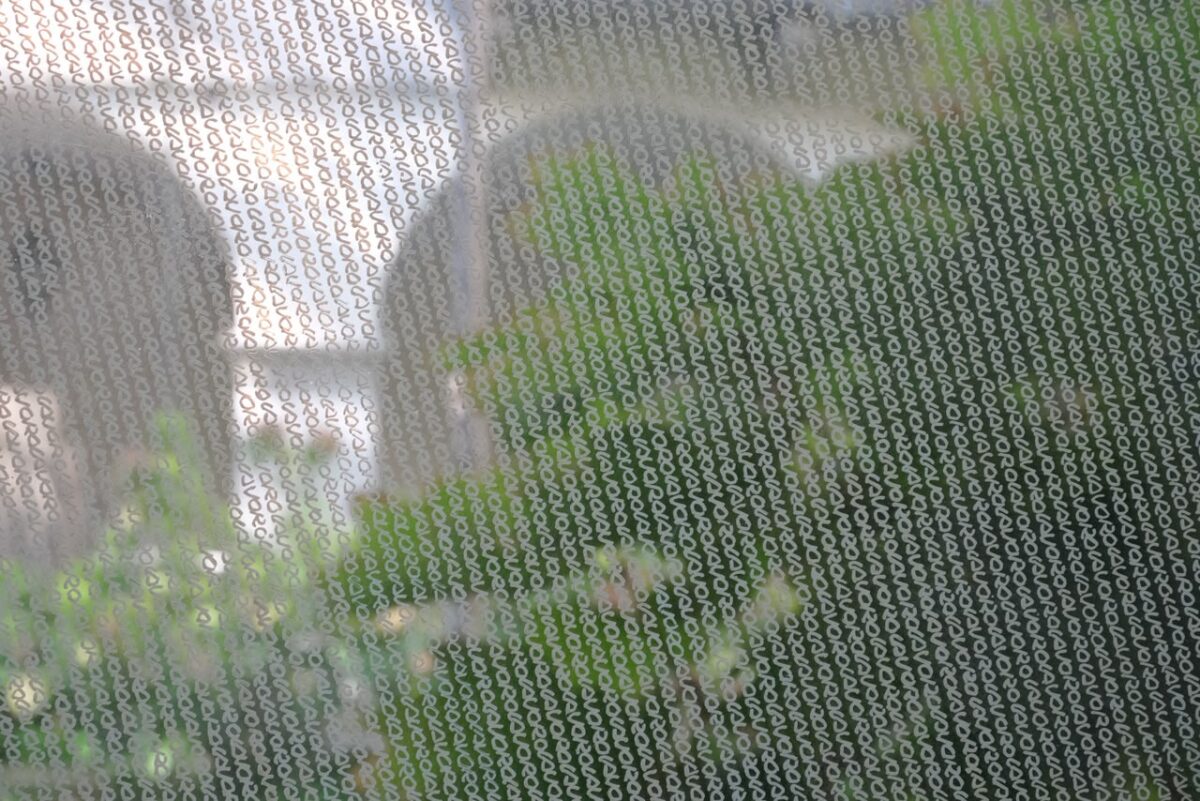
Throughout the following decades, Gaibazzi continues to experiment with a variety of artistic languages while gradually entering the sphere of abstract and conceptual forms of expression. One of his most distinctive works is the Lavoro series in which the repeated written word became the central element of his compositions. It was precisely this series which was the inspiration for the Valore Lavoro exhibition. In the last period of his life, while almost completely abandoning the representation of reality, Gaibazzi also kept alive his interest in architecture, often drawing inspiration from famous monuments and buildings in Parma, which became the subjects of his personal poetic and visual works. The artist died in Parma on July 25, 1994, but his legacy lives and serves as the city’s cultural scene.
credits Nadža Poljo
Seven years after his death, in 2001, a group of his friends came together to establish the Associazione Remo Gaibazzi. As they state, the main idea behind the association is to contribute to deepening and spreading knowledge of Remo Gaibazzi’s artistic work and to keep alive the spirit that had guided his critical engagement for decades in all the major issues of the city’s social and cultural life. Even though the association’s focus is on Remo himself, its outreach today is far bigger.
Especially over the last few years, the spaces of the association hosted a variety of cultural events and provided space for artists, artistic movements and forms of cultural expression. Some of the most interesting ones include: No Place Like Home (2005), World Press Photo 06 (2006), L’Avventura del Segno (2013), Il mestiere dell’intellettuale (2013), Cinquanta artisti per l’Associazione Gaibazzi (2016–2017), Museo Qui (2024), Quadrato Trasparente (2025), Tutto in una sera (2025–2026) and Valore Lavoro which is active right now.
credits Nadža Poljo
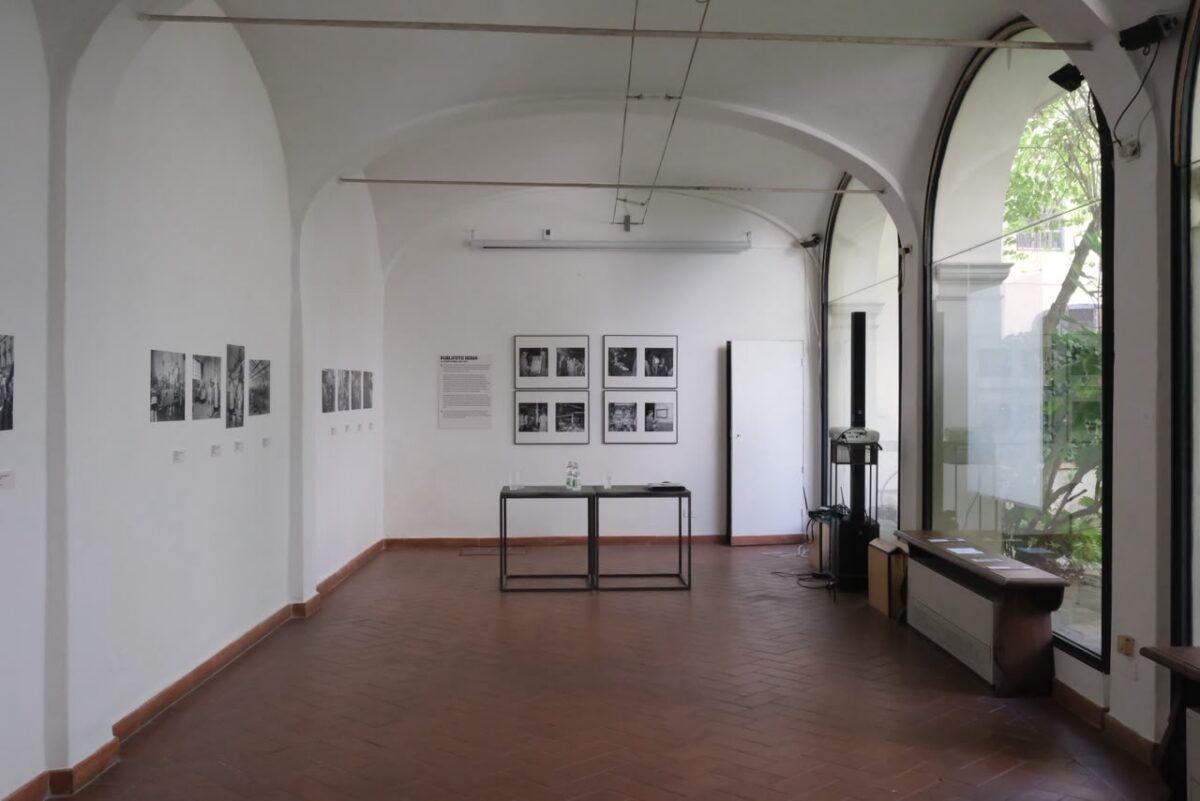
The exhibition welcomes visitors with some of Gainazzi’s most representative works: a simple geometric form created through the repetition of a single word, in this case words valore (value) or lavoro (work), inviting us to stop and reflect. In my opinion, a genius psychological trick that subtly shaped my thought process while going through the photographs. The exhibition itself comes from two different sources, an italian photographer Carlo Cisventi and the archive of photo-journalistic agency Publifoto, whose individual photographers are not credited in the exhibition’s official description.
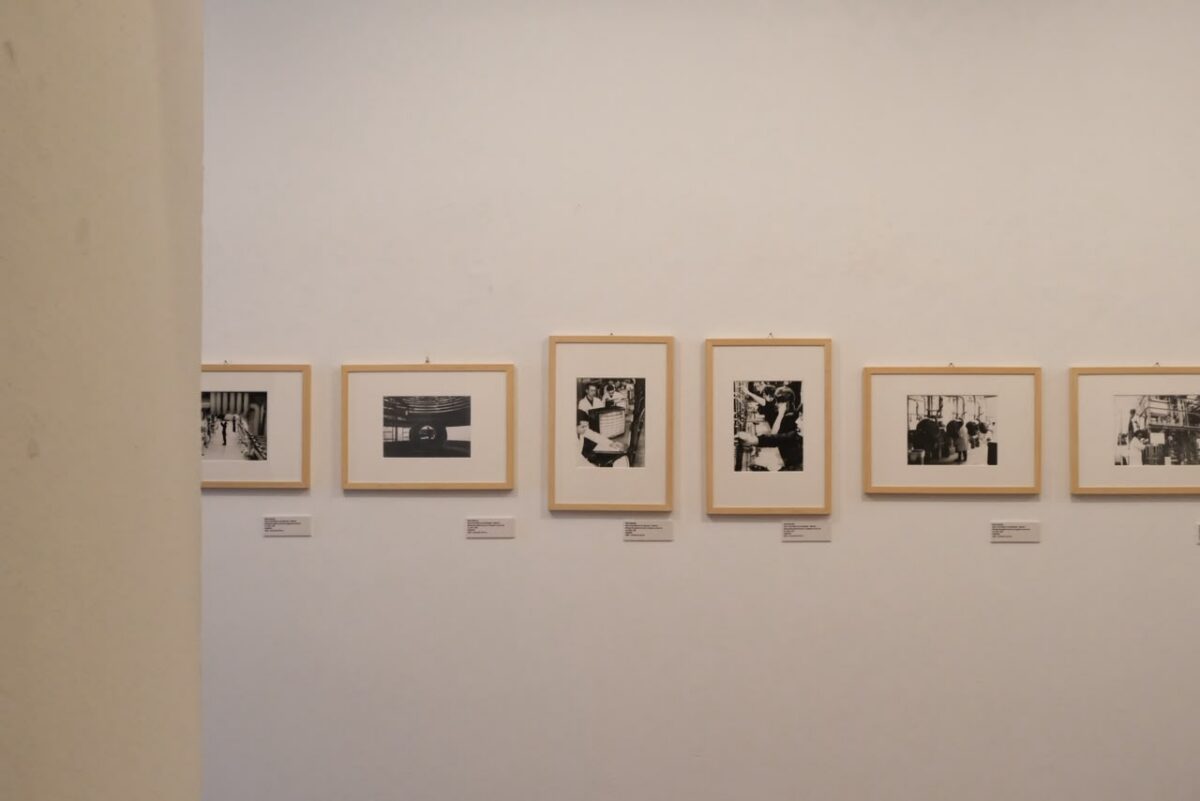
The photographs take us back to Italy between the mid-1950s and the 1970s, which was a period marked by significant change in social and economic spheres. The intimate setting and a relatively small number of pictures, allow a slow movement through the exhibition, taking in all the details: the facial expressions, the settings on desks, the human organization of industrial spaces… all of which tell a story of a society undergoing rapid modernization.
credits Nadža Poljo
Yet, behind the story of industrial progress lies another, much darker reality, one in which the value of work was measured in human lives. One such example is the disaster in Ribolla in 1954. 43 lives were claimed following an underground explosion, becoming one of the most tragic industrial accidents in Italian postwar history.
After seeing these pictures, the clean white walls felt quite a bit narrower and the sun shining on the photographs was somewhat less bright. Perhaps this is something that fascinates me the most about photography. To communicate a feeling through a painting you have to be a good painter, to communicate an emotion through a poem you have to be a good poet, but with photography, it’s different. These photographs are showing something real: real human emotions which tell the same story, generations, tragedies, exhibitions… after. Just like every element of this exhibition was carefully considered, I believe that this section was given its place at the end for a reason.
Now, after going through this whole journey, maybe I can form a better definition: Work is one of the fundamental structures of the human society, which played a much bigger role than shaping a capitalist world. It also created communities, cultural values and individual identities. Yet, as these final photographs remind us, the history of work is also a history of sacrifice, inequality and human loss. And perhaps recognising all these dimensions is what it truly means to understand the value of work.
credits Nadža Poljo