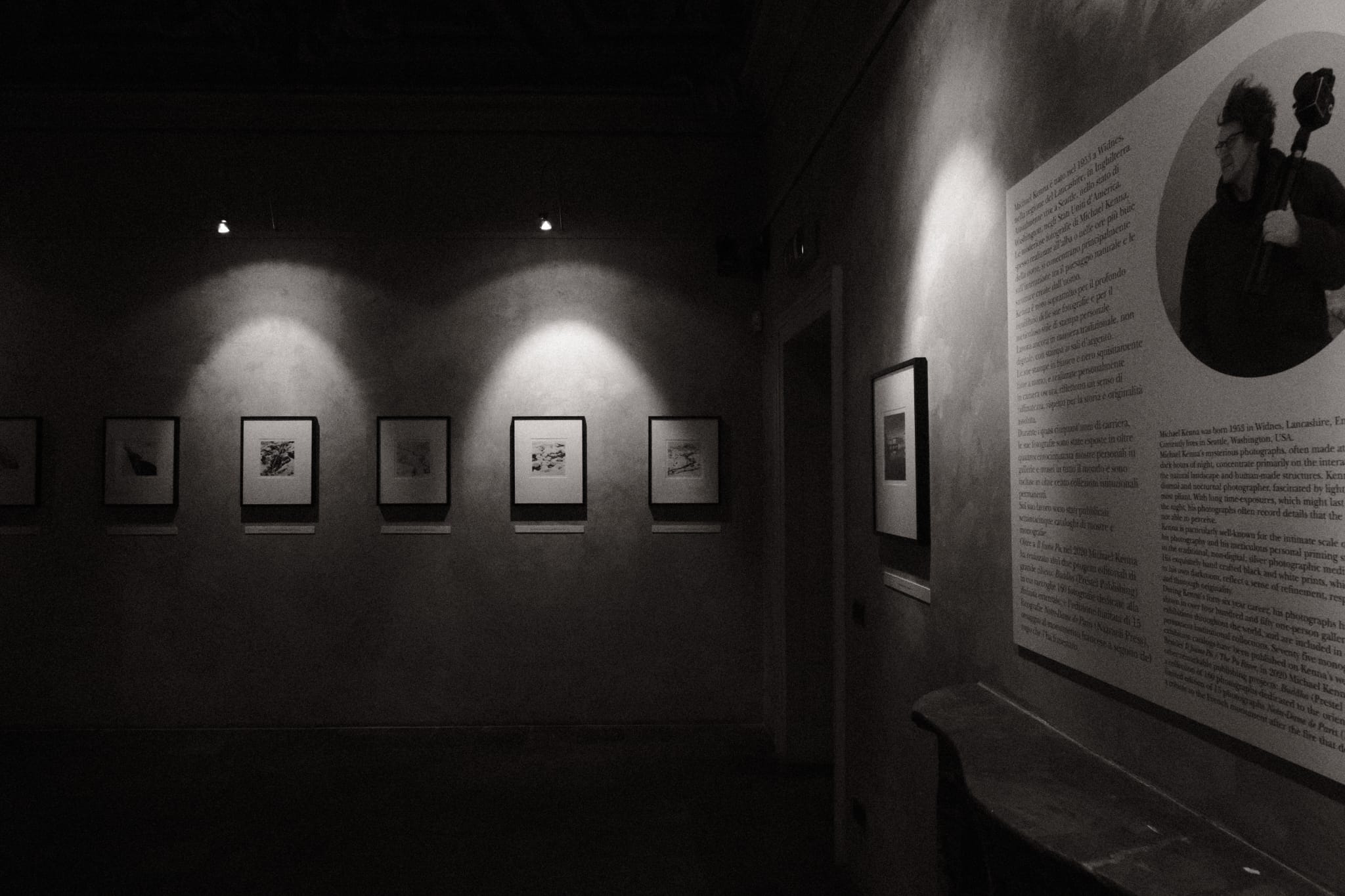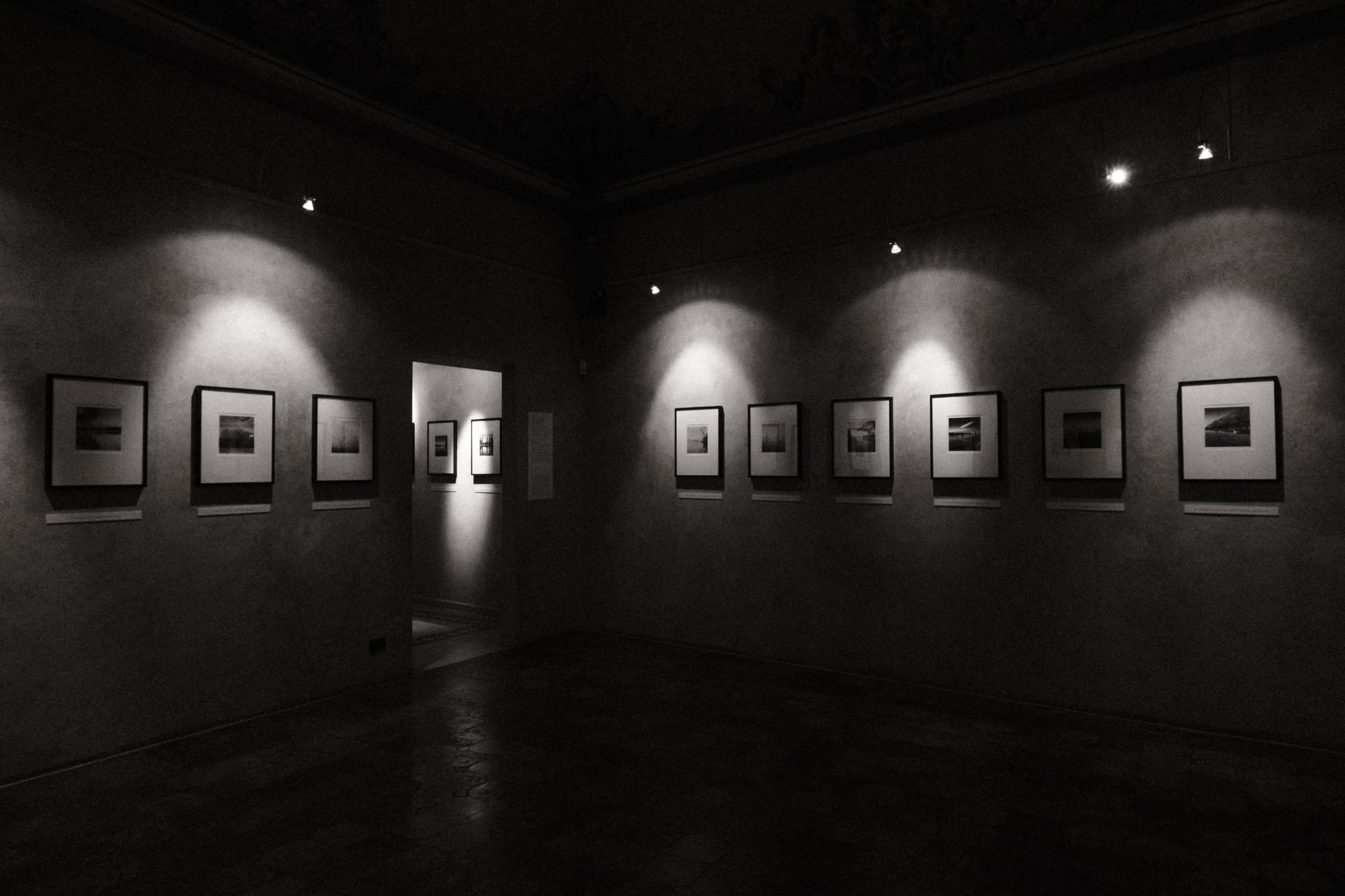

During its long journey through northern Italy, the Po River witnesses many things: the dramatic Alps, the slow rhythm of rural life, the quiet persistence of traditions, and the faint transformations of the landscape through time. The Po is more than just a geographical feature: it is a silent observer of life alongside its banks. Over the course of a decade, during which the British photographer Michael Kenna worked on this project, he captured all the layers of this complex reality. Even though this collection carries the simple name of the river, it portrays something far more evocative than a mere geographical study. Kenna’s careful choice of frames provokes a reflection on memory, change, and the passage of time.
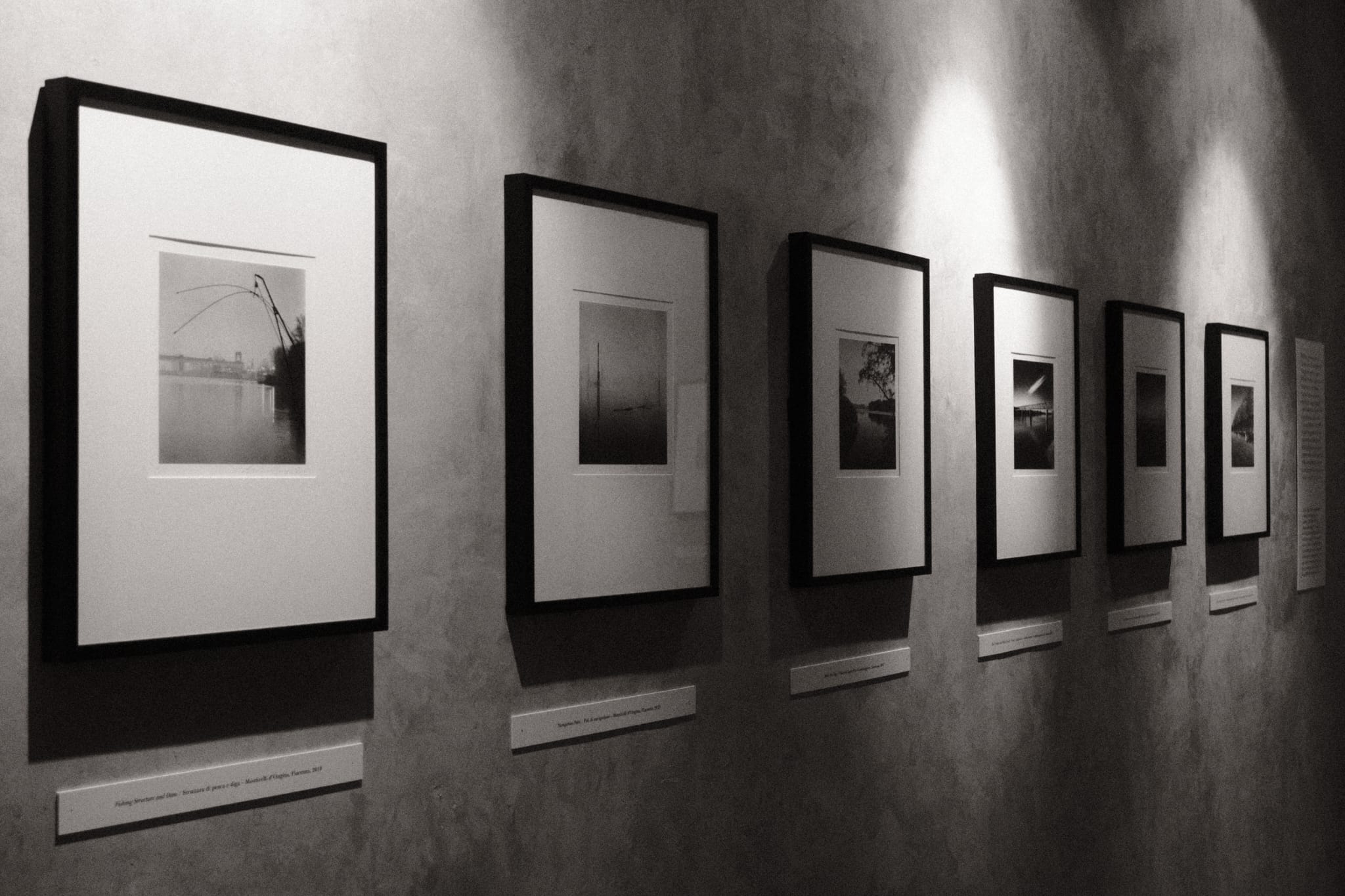
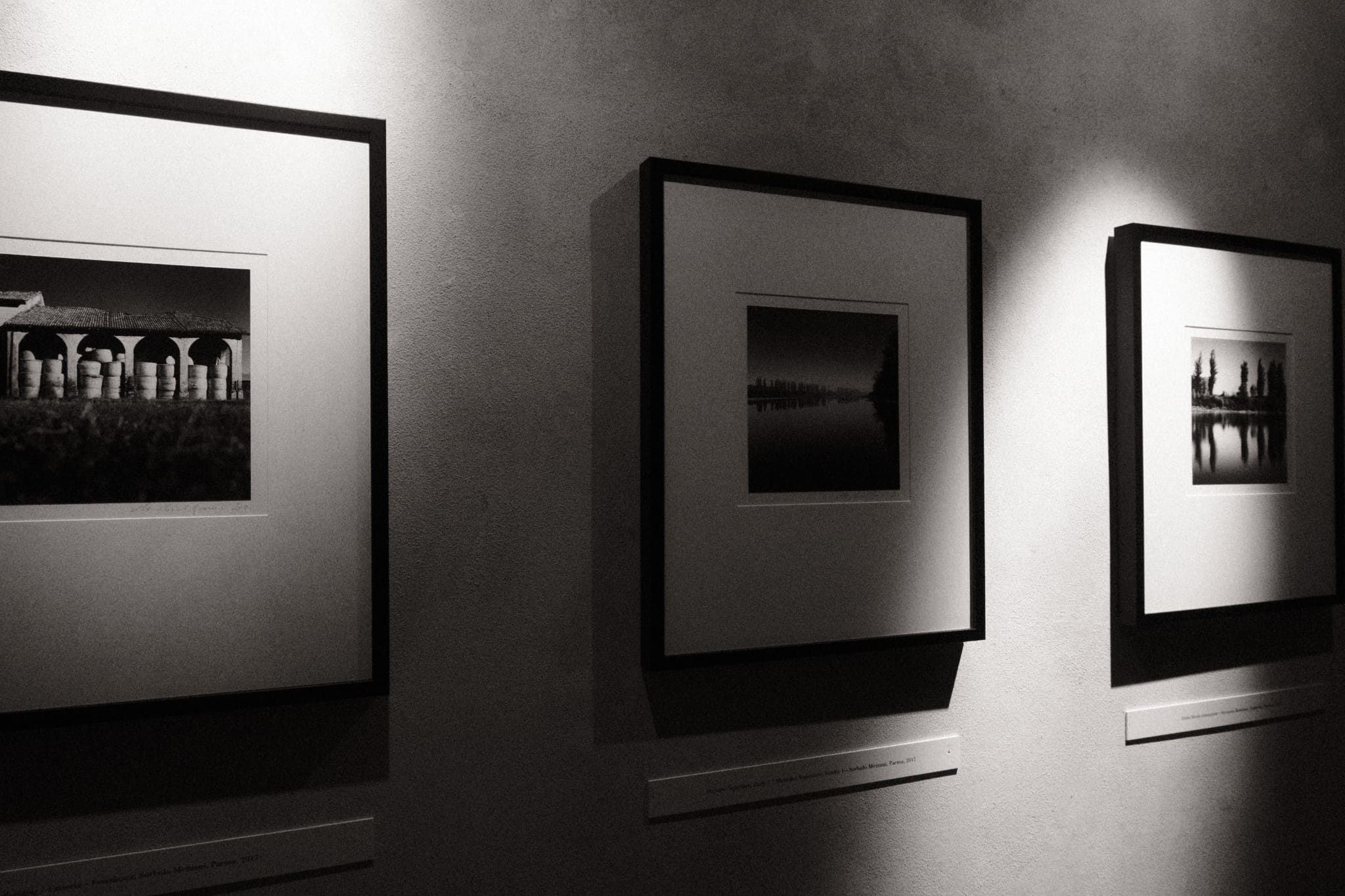
What makes this project particularly striking is its unique visual style. The whole exhibition was shot on black-and-white analogue film — a bold yet powerful choice for the 21st century. As the saying goes: “less is more”. In this case, reducing the image to its essential elements — contrast, shadow, and the absence of colour — allows thought and mood to emerge with greater intensity, inviting the viewer into a quieter and deeper experience.
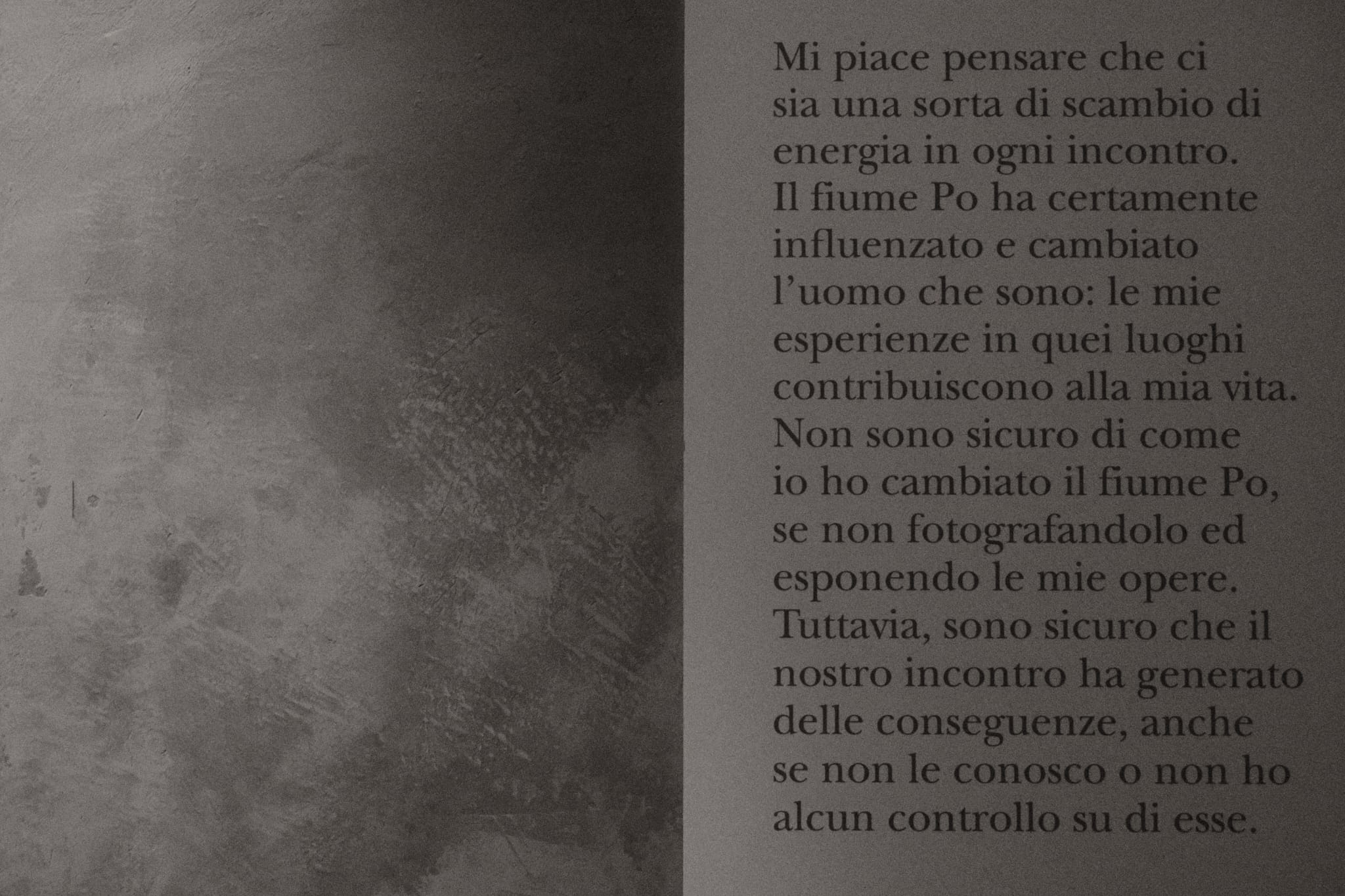
The project is composed of around 100 photographs, tracing the course of the river from its source in the Alps to its delta in the Adriatic Sea. Following this journey, we get a glimpse of the relationship between the river and the life shaped around it. As the viewer moves through the collection, the experience feels like watching a movie, with each photograph carefully positioned within a quiet, unfolding story. As the author himself stated, this sense of narrative recalls the structure of a haiku where minimalism opens the door to a deeper meaning. Just like a haiku, each image captures a fleeting moment, but suggests something far greater hidden in its atmosphere.
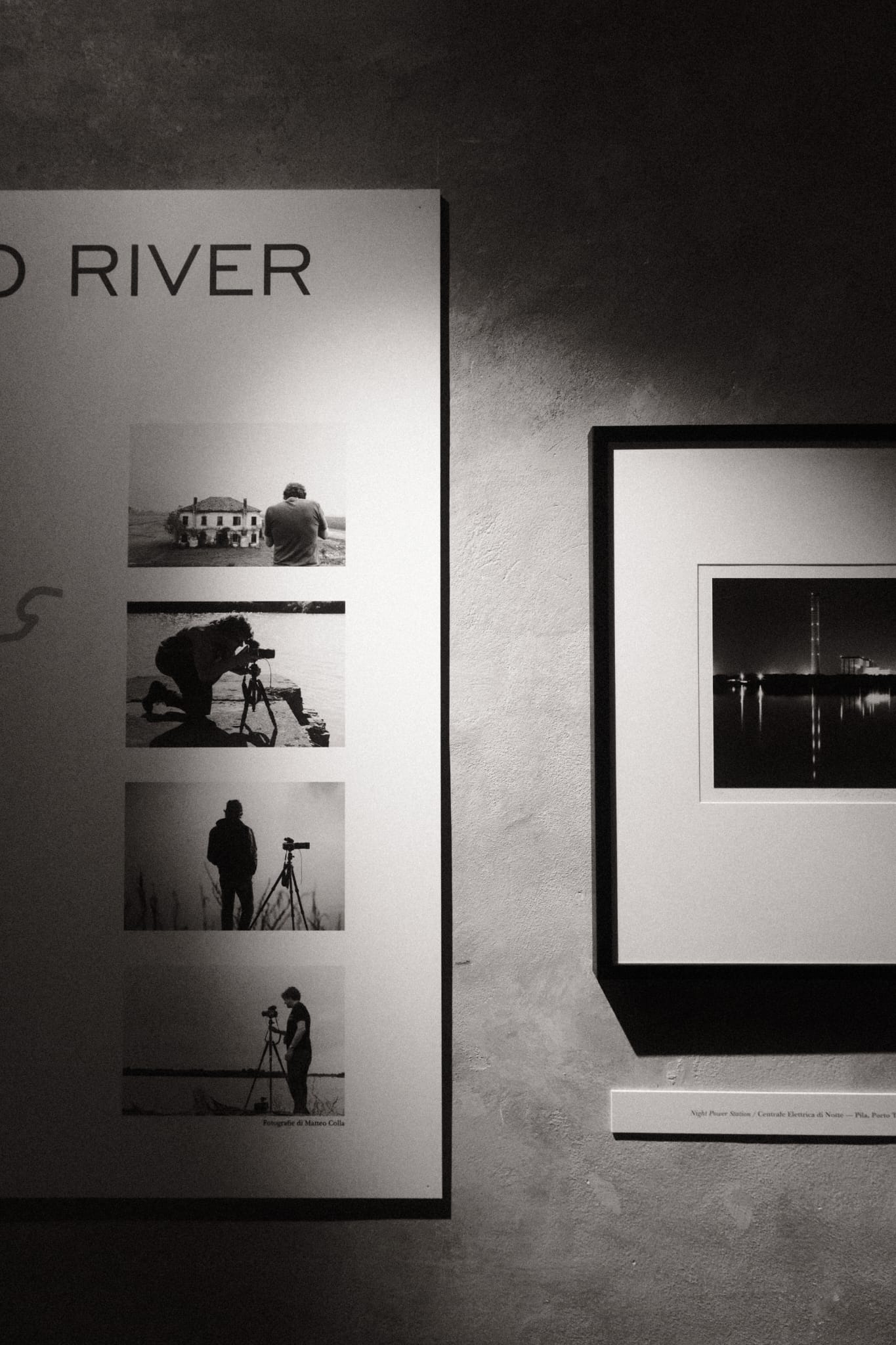
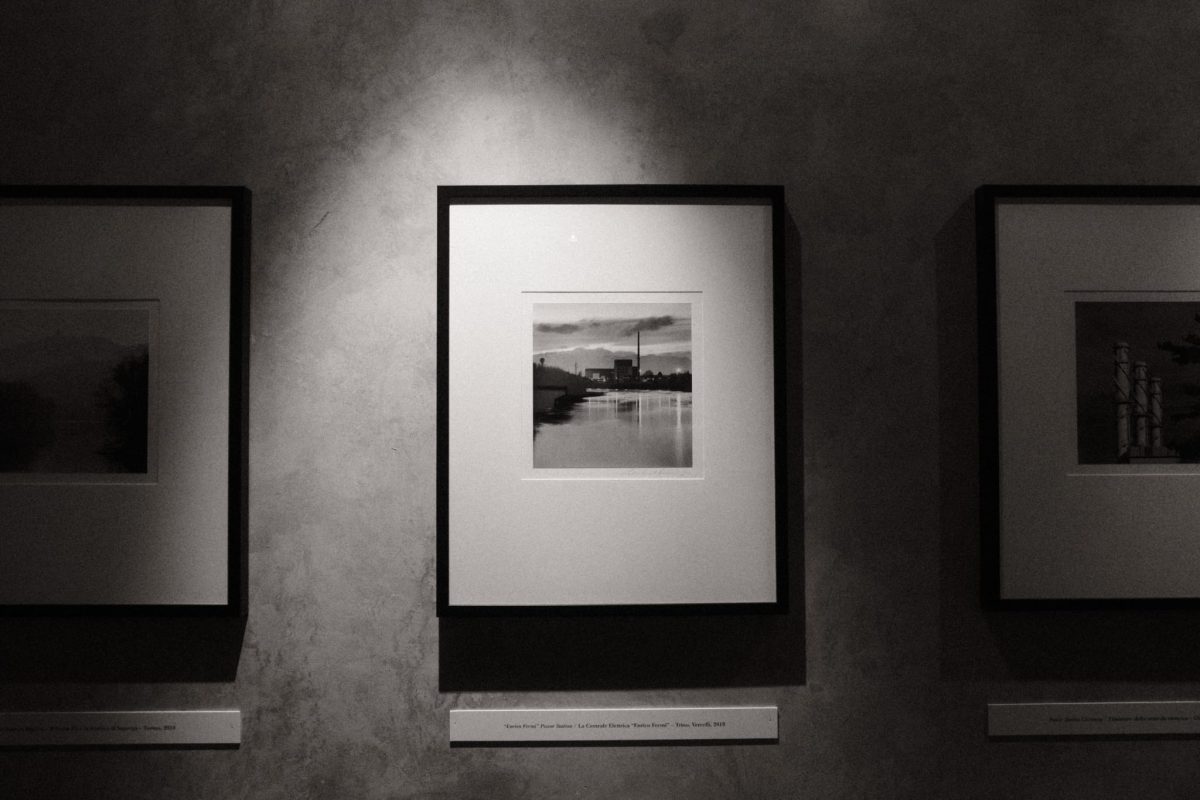
What struck me most was the final sequence. The tone drastically shifts from the images of everyday life to eerie images of abandoned homes affected by flooding. This strong contrast reveals the river’s dual nature: life-giving and destructive. This mirrors the unpredictability of life itself, where, in the blink of an eye, a moment of calm can be swept away by chaos. Rather than ending with this, the very last picture portrays a beautiful summer evening (even if nothing in the photograph explicitly confirms it was taken in summer), where the lights of the nearby factory shimmer on the calm river. This closing moment represents a sense of balance, implying that, much like the river, life flows despite hardship, carrying with it both loss and renewal.